


The internet has transformed the way people access, consume, and share information. What once required newspapers, television broadcasts, or physical publications can now be accessed instantly through digital platforms. This transformation has led to the emergence of numerous online information sources that cater to different audiences, interests, and content preferences. Among these evolving platforms, SinkNews has gained attention as a digital destination that reflects modern trends in online information distribution.
The growth of digital technologies, mobile devices, and social media networks has fundamentally changed how information travels across the world. Users no longer rely solely on traditional media outlets. Instead, they seek fast, accessible, and user-friendly platforms that provide updates on a wide range of topics. As a result, online information platforms have become increasingly important in shaping public knowledge and digital engagement.
This article explores the evolution of online information platforms, the factors driving their growth, the role of modern content ecosystems, and how SinkNews fits into the broader digital landscape.
The Early Days of Online Information Sharing
The journey of online information platforms began during the early years of the internet when websites primarily served as static sources of information. Content was published manually, updates were infrequent, and user interaction was limited. Websites functioned similarly to digital brochures, providing text-based information without many opportunities for engagement.

As internet accessibility improved, organizations recognized the potential of online publishing. News organizations, educational institutions, and businesses began creating websites to reach wider audiences. This shift introduced a new era where information could be distributed globally in real time.
The emergence of search engines further accelerated this transformation. Users could easily locate relevant content without relying on printed directories or physical publications. This convenience encouraged more organizations to establish an online presence, contributing to the rapid growth of digital information ecosystems.
These developments laid the foundation for modern information platforms, setting the stage for dynamic content delivery, multimedia integration, and interactive user experiences.
The Rise of Dynamic Content Platforms
As technology evolved, online platforms moved beyond static pages and embraced dynamic content systems. Content management systems made publishing easier, allowing website owners to update information regularly without extensive technical expertise.
Dynamic platforms introduced several advantages:
- Faster content publishing
- Improved user experiences
- Multimedia integration
- Better search functionality
- Enhanced audience engagement
The shift toward dynamic content transformed user expectations. Audiences began seeking timely updates, interactive features, and personalized experiences. Platforms responded by incorporating videos, images, comments, and social sharing options.
This evolution created opportunities for newer platforms like SinkNews to enter the digital space and serve audiences looking for accessible and regularly updated content. Modern users value convenience and speed, making dynamic information delivery an essential feature of successful online platforms.
As content consumption habits changed, digital publishers increasingly focused on delivering information in formats optimized for mobile devices, ensuring accessibility across multiple screens and platforms.
How Technology Shaped Information Distribution
Technological advancements have played a major role in redefining how information is created and distributed. High-speed internet, cloud computing, artificial intelligence, and mobile technologies have dramatically improved content accessibility.
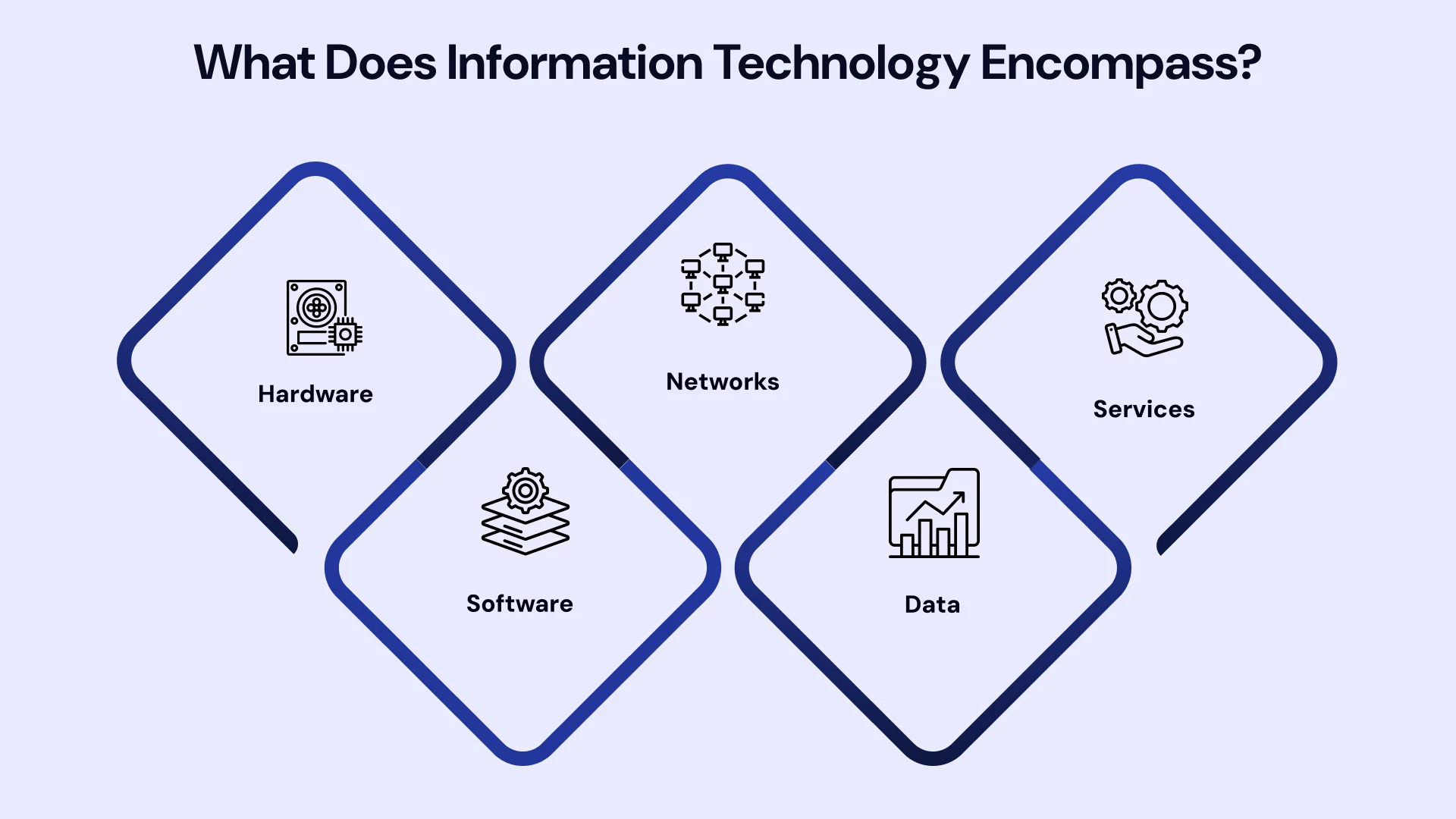
Today, information can be published and shared globally within seconds. Digital platforms use sophisticated systems to organize content, improve search visibility, and recommend relevant information to users. These technologies help audiences discover content that aligns with their interests.
Key Technological Drivers
| Technology | Impact on Information Platforms |
|---|---|
| High-Speed Internet | Faster content access |
| Smartphones | Mobile information consumption |
| Cloud Computing | Scalable content hosting |
| AI Algorithms | Personalized recommendations |
| Social Media Integration | Increased content distribution |
| Analytics Tools | Audience behavior insights |
These innovations have empowered platforms to operate more efficiently while improving the overall user experience. They also enable publishers to adapt quickly to changing audience preferences.
As technology continues to evolve, information platforms are expected to become even more personalized, interactive, and data-driven.
The Growing Importance of User Experience
User experience has become one of the most important factors determining the success of online information platforms. Modern audiences expect websites to load quickly, navigate smoothly, and provide relevant content without unnecessary complexity.

A positive user experience involves multiple elements, including responsive design, intuitive navigation, clear content organization, and mobile optimization. Platforms that prioritize these features often enjoy higher engagement rates and longer visitor retention.
For platforms such as SinkNews, maintaining a user-friendly environment can contribute significantly to audience growth. Visitors are more likely to return when they can easily locate information and access content across different devices.
The increasing focus on user experience reflects a broader industry trend toward audience-centered design. Rather than simply publishing information, platforms now strive to create seamless digital experiences that encourage exploration and engagement.
This emphasis on usability demonstrates how online information platforms have evolved from simple publishing tools into sophisticated digital ecosystems designed around audience needs.
The Influence of Social Media on Information Platforms
Social media has revolutionized how information spreads online. Platforms such as social networks and content-sharing communities have become powerful distribution channels that drive traffic to information websites.
Rather than relying exclusively on direct website visits, many users discover content through social feeds, recommendations, and shared posts. This shift has significantly influenced content creation strategies across the digital landscape.
Modern information platforms often design content with shareability in mind. Headlines, summaries, visuals, and interactive elements are crafted to encourage engagement and increase visibility.
The influence of social media has created several benefits:
- Faster content dissemination
- Increased audience reach
- Real-time feedback opportunities
- Enhanced community engagement
- Greater content discoverability
These developments have transformed information consumption patterns. Audiences now participate actively in content distribution, helping information reach broader communities more quickly than ever before.
As a result, platforms like SinkNews operate within an interconnected digital environment where social sharing plays a major role in visibility and growth.
The Shift Toward Mobile-First Information Access
The widespread adoption of smartphones has fundamentally changed how people consume information. Mobile devices have become the primary gateway to digital content for millions of users worldwide.
This shift has encouraged publishers to adopt mobile-first strategies that prioritize performance on smaller screens. Responsive layouts, simplified navigation, and faster loading times have become essential features of successful platforms.
Mobile accessibility offers several advantages:
Benefits of Mobile-First Design
Accessibility
Users can access information anytime and anywhere.
Convenience
Content is available instantly through mobile devices.
Higher Engagement
Mobile-friendly experiences often result in increased interaction.
Broader Reach
Platforms can connect with audiences across different regions and demographics.
As information consumption becomes increasingly mobile-driven, platforms that embrace mobile optimization are better positioned to attract and retain users. This trend continues to shape the future direction of digital publishing and information delivery.
SinkNews and Modern Digital Information Trends
The emergence of SinkNews reflects broader trends influencing today’s online information ecosystem. Modern audiences seek platforms that provide accessible content, user-friendly experiences, and diverse information categories.
Digital platforms increasingly compete not only on the quality of their content but also on their ability to meet evolving user expectations. Factors such as speed, usability, relevance, and content variety contribute significantly to audience engagement.
SinkNews represents the growing demand for digital information sources that align with contemporary consumption habits. Users appreciate platforms that offer convenient access to content while adapting to changing technological environments.
The success of emerging platforms often depends on their ability to remain flexible and responsive to audience preferences. As digital behaviors continue evolving, information platforms must consistently innovate to maintain relevance and engagement.
This ongoing adaptation demonstrates how the online information industry remains dynamic, continuously shaped by technological advancements and changing consumer expectations.
Challenges Facing Online Information Platforms
Despite significant growth opportunities, online information platforms face several challenges in today’s competitive environment. The rapid expansion of digital content has increased competition for audience attention, making differentiation more important than ever.
Some common challenges include:
- Content saturation
- Maintaining audience trust
- Search engine competition
- Changing user preferences
- Technological adaptation
- Revenue sustainability
Platforms must also balance content quality with publishing frequency. Users expect regular updates, but maintaining accuracy and relevance remains essential for long-term credibility.
Additionally, evolving search algorithms and platform policies require publishers to remain adaptable. Continuous optimization and innovation have become necessary components of digital success.
Addressing these challenges requires strategic planning, audience understanding, and ongoing investment in technology and user experience.
The Future of Online Information Platforms
The future of online information platforms will likely be shaped by emerging technologies, evolving consumer expectations, and increasing demand for personalized experiences.
Artificial intelligence is expected to play a larger role in content discovery, recommendation systems, and audience engagement. Enhanced personalization may help users find information more efficiently while improving overall satisfaction.
Other future trends may include:
- Greater automation in content management
- Enhanced multimedia experiences
- Advanced personalization features
- Improved accessibility standards
- Increased integration across platforms
- Smarter search and recommendation systems
As these innovations continue to develop, online information platforms will become more adaptive and user-focused. The emphasis will remain on delivering relevant content quickly and efficiently while maintaining high standards of usability.
Platforms that embrace technological change and prioritize audience needs are likely to remain competitive in an increasingly digital world.
Conclusion
The evolution of online information platforms represents one of the most significant transformations in modern communication. From static web pages to sophisticated digital ecosystems, the internet has continually reshaped how people access and share information.