


The digital media landscape has undergone remarkable changes over the last decade. Traditional news outlets are no longer the sole source of information for readers, as online platforms continue to reshape how content is created, distributed, and consumed. In this fast-paced environment, emerging digital news platforms are gaining attention for their ability to deliver information quickly and effectively. Among these platforms, SinkNews has become a topic of growing interest among readers and digital media observers.
As audiences increasingly rely on online sources for news updates, analysis, and trending stories, platforms that provide timely and engaging content have a significant opportunity to expand their reach. The growing popularity of SinkNews reflects broader shifts in consumer behavior, where accessibility, speed, and user experience play essential roles in content consumption.
This article explores the role of SinkNews in the evolving online media ecosystem, examines its potential influence on digital journalism, and discusses how modern news platforms are shaping the future of information sharing.
Understanding the Rise of Digital Media
Digital media has transformed nearly every aspect of communication. News that once took hours or days to reach audiences can now be delivered instantly through websites, mobile applications, and social media platforms. Readers expect real-time updates and easy access to information regardless of their location.
The rise of smartphones and internet connectivity has accelerated this transformation. People no longer depend solely on television broadcasts or printed newspapers to stay informed. Instead, they turn to digital platforms that provide continuous updates and personalized content experiences.
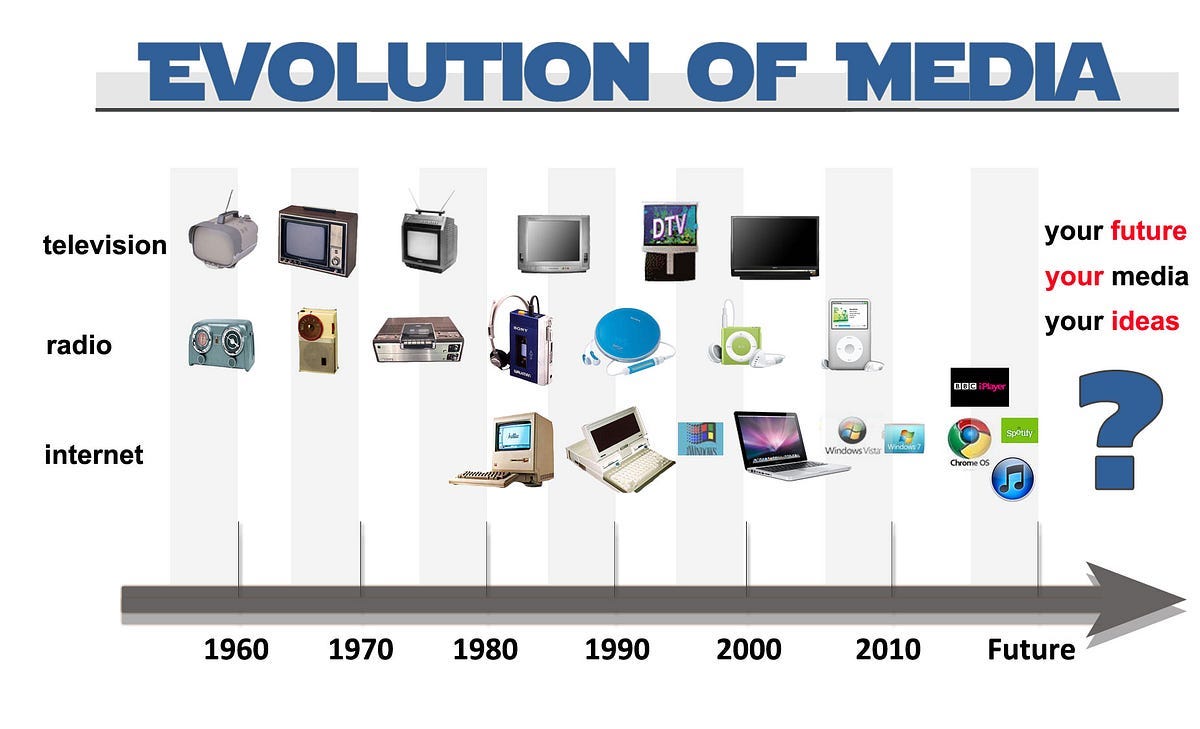
Several factors have contributed to the growth of digital media:
- Increased internet accessibility worldwide
- Growing use of mobile devices
- Demand for instant news updates
- Expansion of social media networks
- Personalized content recommendations
These developments have created opportunities for newer media platforms to compete alongside established news organizations. As a result, platforms such as SinkNews are entering a highly dynamic and competitive marketplace where innovation and audience engagement are critical for success.
What Makes Modern News Platforms Different?
Modern news platforms differ significantly from traditional media organizations. While conventional outlets often follow fixed publication schedules, digital platforms operate around the clock. Information can be published, updated, and shared within minutes.
One defining characteristic of contemporary news websites is their focus on audience engagement. Readers are no longer passive consumers of information. They interact with content through comments, social sharing, and direct feedback, creating a more participatory media environment.
Additionally, digital platforms often use analytics tools to understand audience preferences. This allows them to identify trending topics, optimize content strategies, and improve user experiences.
The flexibility offered by digital publishing has enabled emerging platforms to experiment with various content formats, including:
- Short-form news updates
- Feature articles
- Opinion pieces
- Multimedia content
- Interactive storytelling
Such diversity helps platforms remain relevant in an increasingly competitive digital ecosystem while meeting the evolving expectations of modern readers.
The Growing Recognition of SinkNews
As online audiences continue to expand, many readers are discovering alternative news sources that provide fresh perspectives and accessible content. SinkNews has attracted attention by participating in this growing digital media environment and contributing to the ongoing evolution of online information delivery.
One reason for increased interest in SinkNews is the broader trend toward digital-first journalism. Readers appreciate platforms that offer convenience and immediate access to content. Websites that can efficiently organize information and present it in an engaging format are often more successful in retaining audiences.
Another factor influencing the visibility of SinkNews is the growing importance of niche and independent media outlets. While major news organizations continue to dominate many markets, smaller digital platforms often attract audiences seeking specialized coverage or alternative viewpoints.
As competition intensifies across the online media landscape, platforms that prioritize user experience, content quality, and adaptability are better positioned to build long-term credibility and audience trust.
How Online Media Influences Public Information
Online media plays a crucial role in shaping public awareness and understanding. News websites, blogs, and digital publications help audiences stay informed about developments in politics, business, technology, entertainment, health, and many other fields.

The influence of online media extends beyond simply reporting events. Digital platforms often contribute to public discussions by providing context, analysis, and diverse viewpoints. This enables readers to develop a broader understanding of complex issues.
The impact of digital media can be observed in several areas:
| Area | Influence of Online Media |
|---|---|
| News Distribution | Faster delivery of information |
| Public Awareness | Increased access to current events |
| Education | Easy availability of informative content |
| Business | Enhanced marketing and communication |
| Social Engagement | Greater interaction among audiences |
Through these functions, online media has become a central component of modern communication systems. Platforms like SinkNews operate within this environment, contributing to the ongoing exchange of information between content creators and audiences.
The Importance of Audience Engagement
One of the most significant developments in digital journalism is the emphasis on audience engagement. Readers today expect more than simply consuming information. They want opportunities to participate, share opinions, and interact with content.
Successful digital platforms often encourage engagement through various features such as comments, social sharing options, and community discussions. These interactions help strengthen relationships between publishers and readers.
Audience engagement offers several advantages:
- Improved reader loyalty
- Higher content visibility
- Increased social sharing
- Valuable user feedback
- Stronger community building
For digital media platforms, maintaining meaningful engagement can significantly influence growth and long-term sustainability. As readers become more involved in the content experience, platforms can gain deeper insights into audience interests and preferences.
The ability to foster active participation is becoming increasingly important in a media landscape where attention spans are limited and competition for user engagement is intense.
Challenges Facing Online News Platforms
Despite numerous opportunities, digital media organizations face several challenges. The speed of online publishing can sometimes create pressure to release information quickly while maintaining accuracy and credibility.

Among the most common challenges are:
Information Overload
Modern audiences are exposed to enormous amounts of information every day. As a result, news platforms must find ways to stand out while ensuring their content remains relevant and valuable.
Maintaining Trust
Trust is one of the most important assets for any news organization. Readers expect accurate reporting, transparent practices, and reliable information sources.
Competition for Attention
Thousands of websites compete for audience attention. Digital platforms must continually innovate to remain visible and attract new readers.
Technological Changes
Rapid technological developments require publishers to adapt constantly. New devices, algorithms, and content formats can influence how audiences discover and consume information.
Addressing these challenges effectively is essential for long-term success in the digital media industry.
The Future of Digital Journalism
Digital journalism continues to evolve as technology advances and audience expectations change. Artificial intelligence, automation, data analytics, and multimedia storytelling are becoming increasingly important tools within the industry.
Future trends likely to influence online media include:
Personalized Content Experiences
Readers increasingly expect content tailored to their interests and preferences. Advanced recommendation systems can help deliver more relevant information to individual users.
Mobile-First Publishing
With mobile devices dominating internet usage, publishers are prioritizing responsive design and mobile-friendly experiences.
Multimedia Storytelling
Video, podcasts, infographics, and interactive content are becoming essential components of modern journalism.
Real-Time Reporting
The demand for immediate updates continues to grow, encouraging publishers to enhance their real-time reporting capabilities.
As these trends develop, platforms operating in the digital media space will need to adapt quickly to remain competitive and relevant.
Why Platforms Like SinkNews Matter
The growing presence of independent and emerging media platforms demonstrates the increasing diversity of the digital information ecosystem. SinkNews represents a broader movement toward accessible, internet-based content distribution that aligns with changing audience habits.
Platforms like SinkNews contribute to the digital media landscape by expanding the range of available information sources. Greater diversity in media can encourage broader discussions and provide audiences with additional perspectives on current events and emerging topics.
Moreover, digital-first platforms often have the flexibility to respond rapidly to new developments and evolving reader interests. This agility can be an important advantage in a fast-moving information environment where audience expectations continue to change.
As consumers seek convenient and engaging ways to stay informed, innovative digital platforms will likely play an increasingly significant role in shaping future media experiences.
Building a Sustainable Digital Media Presence
Long-term success in online media requires more than attracting visitors. Sustainable growth depends on maintaining quality content, establishing credibility, and continuously improving user experiences.
Key elements of a sustainable digital media strategy include:
- Consistent content publishing
- Strong editorial standards
- Audience-focused experiences
- Adaptation to technological changes
- Transparent communication practices
Platforms that effectively balance these priorities are more likely to build lasting relationships with readers and strengthen their position within the digital marketplace.
As competition grows, publishers must focus on creating genuine value rather than simply generating traffic. Quality content and audience trust remain essential foundations for success.
Conclusion
The digital media industry continues to transform how information is produced, distributed, and consumed. Emerging platforms are playing an increasingly important role in meeting the demands of modern audiences who expect instant access to news and engaging content experiences.